

Invisalign for Children: At What Age Can They Start?
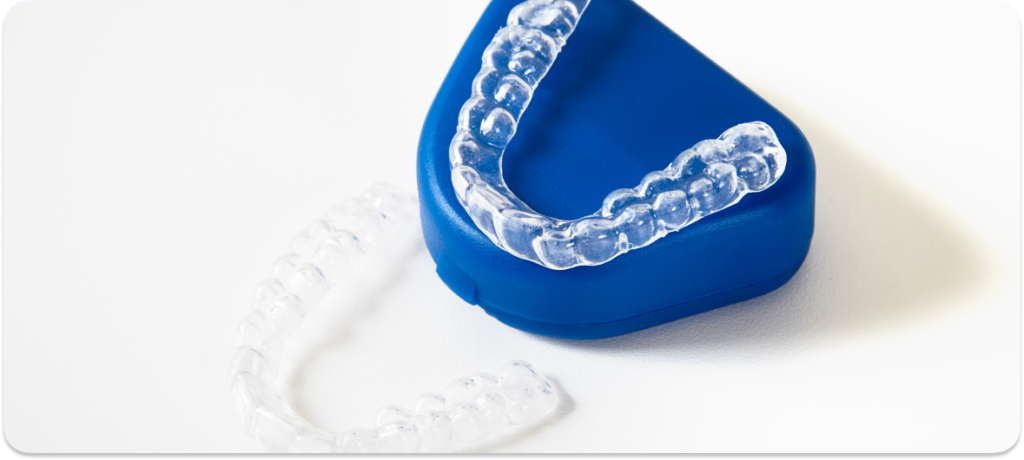
“Can my 7-year-old child wear clear aligners?”
This question concerns many parents today.
The answer: yes, it’s possible from age 6 in certain cases.
But not all children are candidates. And timing is crucial.
Here’s what you need to know to make the right decision.
Invisalign First: A Solution for Ages 6-10
Children with mixed dentition can benefit from aligners
Invisalign First specifically addresses children between 6 and 10 years old.
Key period: mixed dentition. Half baby teeth, half permanent teeth.
At this age, certain corrections become possible:
- Space and growth problems
- Palate expansion
- Some early misalignments
- Harmful habits (thumb sucking, swallowing patterns)
Why treat during growth?
Between ages 6 and 10, bones move more easily.
Ligaments adapt without resistance. Growth can be guided rather than corrected.
A movement that takes 18 months in adolescents often takes only 8-12 months in children.
A common case in children
Narrow palate around age 7:
Incoming permanent teeth lack space. They overlap or emerge crooked.
Early treatment possible: Arch expansion while the bone is still growing (usually 8-12 months).
Advantage: Following teeth naturally find their proper position.
If waiting until adolescence: The palate no longer grows. Sometimes healthy teeth must be extracted and treatment takes longer.
Invisalign First vs Waiting Until Adolescence
Advantages of early treatment
- Growth as an ally
Between ages 6 and 10, everything moves easily. Jaw bones are still malleable.
- Prevention rather than correction
Fixing a small misalignment at 7 avoids major intervention at 13.
Clinical experience shows:
- Children treated early often need less significant corrections in adolescence
- When a second treatment is necessary, it’s generally shorter
- Early intervention sometimes prevents healthy tooth extractions
- Children adapt better
At age 7, wearing aligners quickly becomes natural.
No complexes. No resistance. The child trusts easily.
Early vs late treatment comparison
Treatment at age 7 | Treatment at age 13 |
8-12 months average | 18 months minimum |
Growth assisted | Growth opposed |
Extractions often avoided | Extractions sometimes necessary |
Generally lower cost | Higher cost |
Can Your Child Wear Aligners?
Parents' frequent questions
“They’ll lose them!” Children’s aligners have a special shape. Backup aligners are always provided.
“They won’t wear them enough!” At age 7, children generally obey better than at 14. Creating a routine helps: aligners after teeth brushing.
“It’s a significant investment!” Treating early often costs less than treating in adolescence. And it sometimes prevents a second, more extensive treatment.
Criteria for Starting Treatment
Is your child ready?
Dental criteria:
Behavioral criteria:
An orthodontic evaluation determines all these elements.
Types of Corrections Possible in Children
Corrections that aligners can address
Space and crowding problems:
- Narrow palate from early childhood
- Teeth already overlapping at ages 6-7
- Obvious lack of space for permanent teeth
- Expansion needed before complete eruption
Early growth corrections:
- Developing jaw discrepancies
- Open bites forming (teeth not touching)
- Slight facial asymmetries
- Harmonious growth guidance
Harmful habit resolution:
- Prolonged thumb sucking after age 5
- Incorrect swallowing with tongue thrusting
- Exclusive mouth breathing
- Associated pronunciation problems
Advantages of Aligners for Children
Maximum comfort
Transparent: No aesthetic impact at school
Removable: Normal eating, easier hygiene
Smooth: No mouth injuries
Lightweight: Child adapts quickly
Child-adapted follow-up
Appointments are short (15 minutes maximum).
Spaced intervals: every 6-8 weeks only.
Playful approach, not intimidating for the child.
Practical Tips for Parents
How to support your child
Create a positive routine:
- Aligners after teeth brushing
- Visual reward (calendar with stickers)
- Celebrate each milestone reached
Monitor discreetly:
- Check wearing morning and evening
- Observe aligner wear patterns
- Note any difficulties
Communicate with the orthodontist:
- Report any problems quickly
- Ask all your questions
- Keep scheduled appointments
When to Consult for Your Child?
Signs to watch for
From age 6, monitor:
- Permanent teeth erupting crooked
- Worsening crowding
- Jaw deviating when closing
- Persistent pronunciation difficulties
- Exclusively mouth breathing
Standard consultation protocol
- Orthodontic evaluation (30 minutes)
- Complete clinical examination
- Photos and growth analysis
- Discussion with child AND parents
- Personalized recommendations
- In-depth diagnosis if necessary
- Painless digital scanning
- Expected results simulation
- Precise treatment planning
- Informed decision
- Immediate start if optimal
- Monitoring if waiting preferable
- Regular reevaluation as needed
How to Choose the Right Orthodontist for Your Child?
Choosing the right practitioner for your child
Pediatric specialization:
- Specific training in children’s treatments
- Playful and reassuring approach
- Equipment adapted to small mouths
Observed results:
- Children’s treatments generally well tolerated
- Good adaptation to aligners at this age
- Cooperation often better than in adolescence
Complete support:
- Parents involved at every stage
- Personalized practical advice
- Emergencies handled quickly
Questions to ask
- How many children do you treat per year?
- What is your specific training?
- Can I see before/after cases of children?
- How do you handle emergencies?
- Are parents involved in the follow-up?
Conclusion: The Right Timing for Your Child
There’s no universal “magic” age to start aligners.
Each child is unique. Each situation requires specific analysis.
What really matters:
- From age 6 → some problems can be corrected early
- During growth → optimal period to guide development
- With precise diagnosis → to determine ideal timing
The secret? An orthodontic evaluation at the right moment.
Don’t wait for the problem to worsen. Your child’s growth is a unique opportunity.
Their smile builds their confidence. Their confidence shapes their future.
Want an evaluation for your child?
In 30 minutes, you’ll know if it’s the ideal time to start.
-
Free consultation
-
Email:
-
Location
Netanya: Halamed Hei Street 5 | Tel-Aviv: Habarzel St. 11