

Can children have Invisalign instead of braces?
Your child needs orthodontic treatment.
You already know about traditional braces. But you’re wondering if Invisalign can replace them.
The real question you’re asking: “Can my child avoid metal braces and choose Invisalign instead?”
The answer isn’t always straightforward. It depends on several factors.
Here’s everything you need to know to make the right decision.
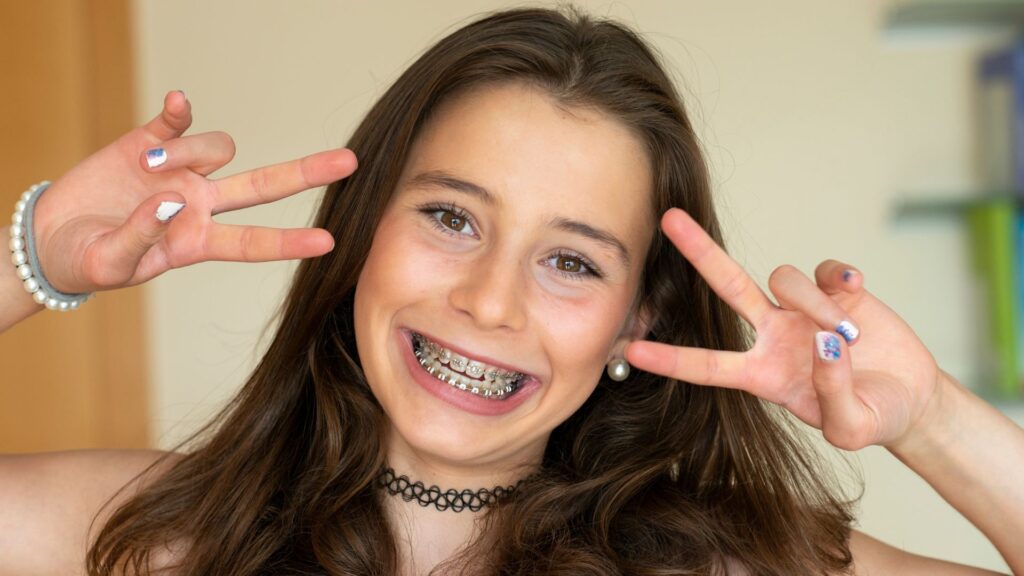
Invisalign vs Braces for Children: The Complete Comparison
Aesthetics and Social Life
Traditional Braces:
- Permanently visible
- Impact on confidence at school
- Class photos with the appliance
- Sometimes source of teasing
Invisalign:
- Virtually invisible
- No one notices the treatment
- Natural smile in photos
- Zero embarrassment at school
Verdict: Invisalign wins significantly on this point.
Daily Comfort
Traditional Braces:
- Metal that can hurt cheeks
- Frequent irritation in the first days
- Pain after each adjustment
- Wires that sometimes protrude
Invisalign:
- Smooth plastic, no injuries
- Slight discomfort only the first 2-3 days
- No irritating metal
- Maximum comfort once accustomed
Verdict: Invisalign is more comfortable.

Dental Hygiene
Traditional Braces:
- Complicated brushing around brackets
- Food gets stuck
- Increased risk of cavities
- Interdental brushes required
Invisalign:
- Remove aligners for brushing
- Normal hygiene as before
- No trapped food
- Clean aligners separately
Verdict: Invisalign greatly facilitates hygiene.
Dietary Restrictions
Traditional Braces:
- Forbidden: chewing gum, caramel, hard candies
- Caution with foods that break (apples, raw carrots)
- Restrictions throughout treatment duration
Invisalign:
- No dietary restrictions
- Remove aligners to eat
- Total nutritional freedom
Verdict: Invisalign offers complete dietary freedom.
Treatment Effectiveness
Traditional Braces:
- Treat all types of problems
- Simple to very complex cases
- Major corrections possible
- Movement of all teeth
Invisalign:
- Effective for 80% of pediatric cases
- Light to moderately complex cases
- Limits on certain very specific movements
- Excellent for general alignment
Verdict: Braces remain more versatile for complex cases.
Discipline and Daily Wear
Traditional Braces:
- Fixed permanently
- No risk of forgetting
- Continuous treatment 24/7
Invisalign:
- Mandatory wear 22 hours per day minimum
- Child responsibility
- Risk of forgetting or negligence
- Success depends on discipline
Verdict: Braces guarantee constant wear.
When Invisalign Can Replace Braces
Suitable Dental Problems:
Light to Moderate Crowding
Teeth that slightly overlap Moderate space shortage General alignment needed
Gaps Between Teeth
Diastemas (gaps between teeth) Multiple spaces to close Harmonious distribution to create
Minor Tooth Malposition
Moderately rotated teeth Inclinations to correct Simple repositioning
Simple Occlusion Problems
Slight anterior-posterior offset Moderate overbite Light underbite
Ideal Child Profile:
- Appropriate Age: 8 years and older (with Invisalign First)
- Sufficient Maturity: understands treatment stakes
- Personal Discipline: capable of wearing 22h/day
- Motivation: truly wants to avoid braces
- Rigorous Hygiene: brushes teeth properly
- Involved Parents: supervision and encouragement
When Braces Remain Necessary
Complex Orthodontic Cases:
Major Jaw Discrepancies
Severe skeletal problems Major Class II or III Need for palatal expansion
Complex Tooth Movements
Major rotations Intrusion/extrusion of teeth Closure of extraction spaces
Major Occlusion Corrections
Significant open bite Severe overbite Major midline discrepancy
Unsuitable Child Profile:
- Too Young: generally under 8 years
- Lack of Maturity: doesn’t understand the stakes
- Undisciplined: frequent forgetfulness, negligence
- Strong Opposition: refuses to wear aligners
- Poor Hygiene: insufficient brushing
- Unavailable Parents: impossible supervision
Invisalign First: The Special Children's Solution
Invisalign has developed Invisalign First specifically for children.
Special Features:
- Aligners adapted to baby and permanent teeth
- Progressive treatment during growth
- Wear indicators to verify compliance
- Generally shorter duration (8-18 months)
Specific Advantages:
- Guides dental growth
- Prepares for permanent teeth eruption
- Early preventive intervention
- Modern alternative to interceptive appliances
Practical Tips for Parents
How to Evaluate Your Child's Maturity?
Ask yourself these questions:
- Does my child brush their teeth without reminders?
- Do they usually follow medical instructions?
- Do they understand the importance of treatment?
- Are they motivated to have a beautiful smile?
- Can they handle daily responsibility?
Discipline Test Before Treatment:
Suggest an “Invisalign test”:
- Give them an object to wear/use daily for 2 weeks
- Observe if they think about it naturally
- Evaluate their consistency without constant reminders
- Measure their real motivation
Questions to Ask the Orthodontist:
- Can my child’s case be treated with Invisalign?
- What are the risks if wear isn’t optimal?
- How long will the treatment last?
- What’s the backup plan if Invisalign doesn’t work?
- How do I monitor progress at home?
Our Diamond Provider Expertise for Your Child
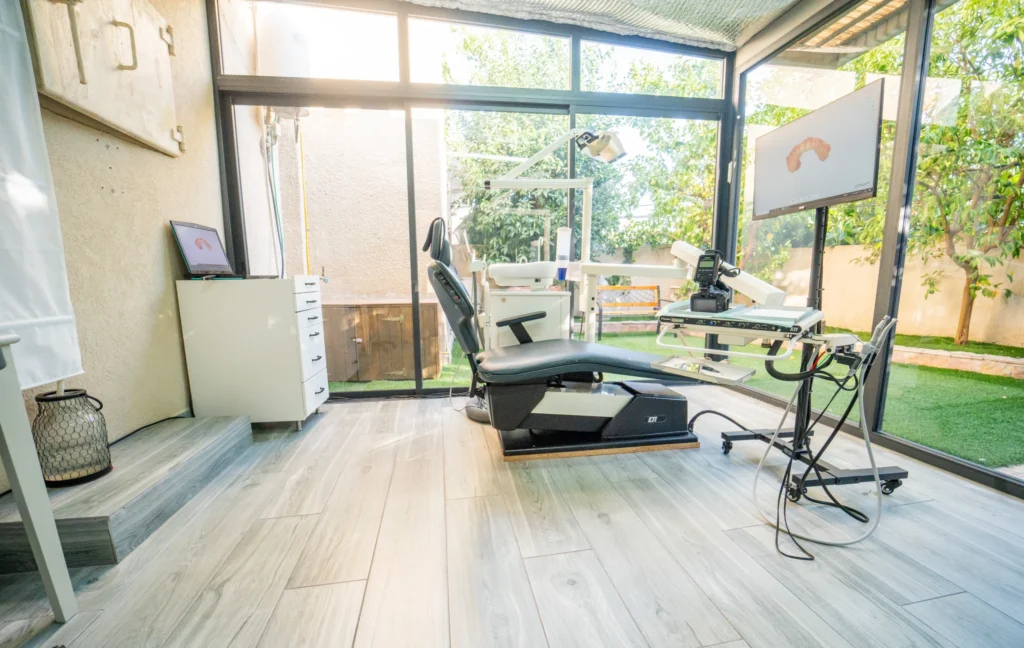
At HymySmile, we have treated over 1000 patients with Invisalign.
Our Diamond Provider status gives us access to:
- Latest Invisalign First innovations
- Specialized continuing education
- Most complex pediatric cases
- Optimized child monitoring
Our Special Children's Approach:
- Free Consultation to assess feasibility
- 3D Simulation to visualize results
- Enhanced Follow-up every 4-6 weeks
- Personalized Advice for parents
- Constant Motivation for the child
Conclusion: Can Invisalign Replace Braces?
The answer is: YES, but not always.
Invisalign can replace braces for about 80% of pediatric cases.
Success Conditions:
- Suitable orthodontic case (light to moderately complex)
- Mature and motivated child (8 years minimum)
- Parents involved in monitoring
- Daily discipline respected
The choice depends primarily on:
- Orthodontic diagnosis → only a specialist can evaluate
- Your child’s personality → you know them better than anyone
- Your parental involvement → supervision necessary
Our advice:
Start with a free consultation with an orthodontist experienced in Invisalign.
You’ll get a precise diagnosis and can evaluate if your child is a good candidate.
What matters isn’t choosing the most modern solution, but the most suitable one for your child.
Ready to discover if Invisalign can replace braces for your child?
-
Free consultation
-
Email:
-
Location
Netanya: Halamed Hei Street 5 | Tel-Aviv: Habarzel St. 11